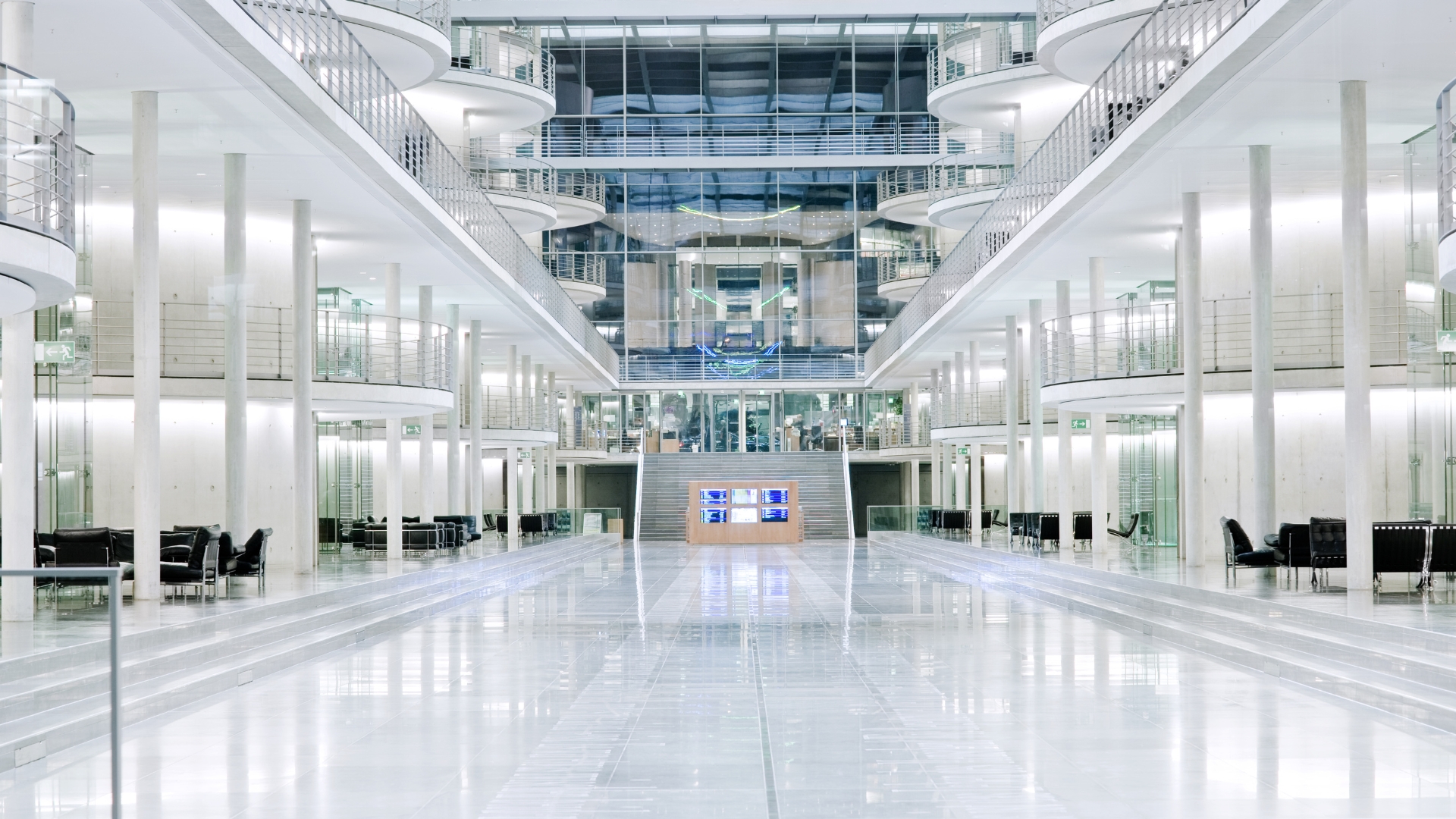
Futuristic architecture is a bold and imaginative design philosophy that envisions buildings not just as functional spaces but as expressions of tomorrow’s technology, culture, and environmental needs. As the world grapples with rapid urbanization, climate change, and technological advancements, architects are pushing boundaries to create structures that are sustainable, adaptive, and aesthetically radical. This movement, often characterized by cutting-edge materials, innovative forms, and smart technologies, offers a glimpse into how our cities and structures may evolve in the coming decades.
In this article, we explore the key characteristics of futuristic architecture, its historical roots, and some of the most groundbreaking buildings that represent this exciting architectural style.
1. The Origins of Futuristic Architecture
Futuristic architecture first emerged in the early 20th century, influenced by the Futurist art movement led by Italian artists and designers like Filippo Tommaso Marinetti and Antonio Sant’Elia. These visionaries rejected traditional forms and embraced the idea of progress, speed, and innovation. The Futurist Manifesto called for a new aesthetic that celebrated technology, industry, and mechanization. Early examples were heavily influenced by the rise of modern industry, with sharp lines, metallic materials, and a focus on movement and functionality.
However, it wasn’t until the post-World War II era and the space race that futuristic architecture truly began to take form. The optimism of the atomic age and the rise of science fiction in popular culture inspired architects to experiment with new materials like plastics and synthetics, and futuristic concepts began to emerge.
2. Key Characteristics of Futuristic Architecture
Futuristic architecture today is defined by several key elements that reflect the challenges and aspirations of the future. These include innovative forms, sustainable technologies, and smart systems designed to enhance human life.
a. Organic and Dynamic Forms
Futuristic buildings often feature fluid, organic shapes that break away from traditional rectangular forms. These structures are designed to mimic nature or advanced technological systems. For example, Zaha Hadid, a leading figure in futuristic design, was known for her flowing, curved structures that defy conventional geometry.
b. Advanced Materials
Futuristic architecture leverages cutting-edge materials that are lightweight, durable, and sustainable. Carbon fiber, tensile fabrics, and self-healing materials are just a few examples of innovations being incorporated into modern architectural design. These materials allow for greater flexibility in design and contribute to the creation of more resilient buildings that can withstand environmental challenges like extreme weather and seismic activity.
c. Sustainability and Eco-Friendly Design
Environmental consciousness is a defining feature of futuristic architecture. Architects are increasingly focused on creating carbon-neutral and energy-efficient buildings that minimize their environmental impact. Green roofs, solar panels, rainwater harvesting systems, and bioclimatic facades are common features in futuristic structures. Buildings are now seen as ecosystems themselves, designed to interact with the environment in a way that reduces resource consumption and enhances sustainability.
d. Integration of Smart Technology
The advent of smart cities and the Internet of Things (IoT) has brought digital innovation into the very fabric of buildings. Futuristic architecture integrates technology to create smart buildings that can respond to environmental changes, adjust lighting, heating, and security systems automatically, and even manage energy usage more efficiently. Augmented reality (AR) and virtual reality (VR) are also being incorporated into architectural design, enhancing user experiences and functionality.
e. Vertical Cities and Megastructures
As urban populations grow, architects are looking upwards with vertical cities and megastructures. These towering structures combine residential, commercial, and recreational spaces into single, self-sustaining ecosystems. The focus on verticality aims to reduce urban sprawl while maximizing land use and green spaces within dense urban areas.
3. Iconic Examples of Futuristic Architecture
Futuristic architecture has already left its mark on cities around the world. Below are some of the most innovative and iconic structures that embody the principles of this forward-thinking design philosophy.
a. The Burj Khalifa (Dubai, UAE)
While not specifically futuristic in appearance, the Burj Khalifa stands as a symbol of futuristic engineering and urban design. At 828 meters tall, it is the world’s tallest building and incorporates state-of-the-art technologies for energy efficiency and sustainability. Its striking, tapering silhouette and use of advanced materials make it an architectural wonder that points to the future of megastructures.
b. The Shanghai Tower (Shanghai, China)
The Shanghai Tower is another example of futuristic architecture in the form of a supertall skyscraper. Its spiraling design reduces wind loads, and the double-skin facade helps regulate temperature inside the building, enhancing energy efficiency. The tower also features a unique vertical garden system, contributing to the push for eco-friendly design in urban environments.
c. The Eden Project (Cornwall, UK)
The Eden Project is a stunning example of sustainable futuristic architecture. The series of interconnected geodesic domes house thousands of plant species in controlled environments, acting as both a botanical garden and a research center. The design incorporates bioclimatic principles and uses eco-friendly materials, making it a model for future sustainable architecture projects.
Conclusion
Futuristic architecture represents the cutting edge of design, engineering, and sustainability. By embracing new materials, smart technologies, and eco-friendly practices, architects are shaping the cities of tomorrow to be more resilient, adaptable, and human-centric. From towering skyscrapers to green, self-sustaining communities, the future of architecture promises to revolutionize the way we live, work, and interact with our built environment.